
Pompeii Or Herculaneum – Which One Is Better?
It is the constant dilemma for travellers heading to the Bay of Naples. You are all booked to visit the stunning Amalfi Coast or gritty, vibrant Naples, and now you are planning your itinerary. You have one day dedicated to visiting one of the ancient Roman cities: Pompeii or Herculaneum, but which one should you visit?
Should you visit the sprawling, iconic ruins of Pompeii, or the intimate, impeccably preserved streets of Herculaneum?
Both cities were decimated in AD 79. Both offer a window into the Roman world that is unparalleled anywhere else on Earth. Both are archeological marvels. Yet, the experiences they offer are vastly different. As someone who has been lucky to have spent multiple times that have survived nearly two millennia, I can tell you that the “right” choice depends entirely on what you want to get out of your visit.
So, if you are trying to decide between these two archaeological giants, this guide breaks down the differences in preservation, atmosphere, crowd levels, and practicality to help you make the right call.
The Tale of Two Destructions
To understand why the sites are so different today, you have to understand how they were destroyed. It wasn’t just “lava” that buried them; in fact, it wasn’t lava at all.
Pompeii, located about 10 kilometres from the volcano, was buried primarily under distinct layers of ash and pumice stone (lapilli). It rained down for hours, causing roofs to collapse and burying the city six metres deep. The preservation here is incredible, but the weight of the falling rock has destroyed and crushed many structures.
Herculaneum met a different, arguably more terrifying fate. Located at the western base of Vesuvius, it was initially spared the falling ash due to the wind direction. However, the next day, the column of the volcano collapsed. A pyroclastic surge, this is a superheated avalanche of gas, mud, and ash, slammed into the town at over 160 kilometres per hour. It buried Herculaneum under 20 metres of volcanic material, which instantly carbonised organic matter and sealed the city in an airtight tomb.
This geological difference is the key to your decision-making process.
Pompeii: The Grand Metropolis
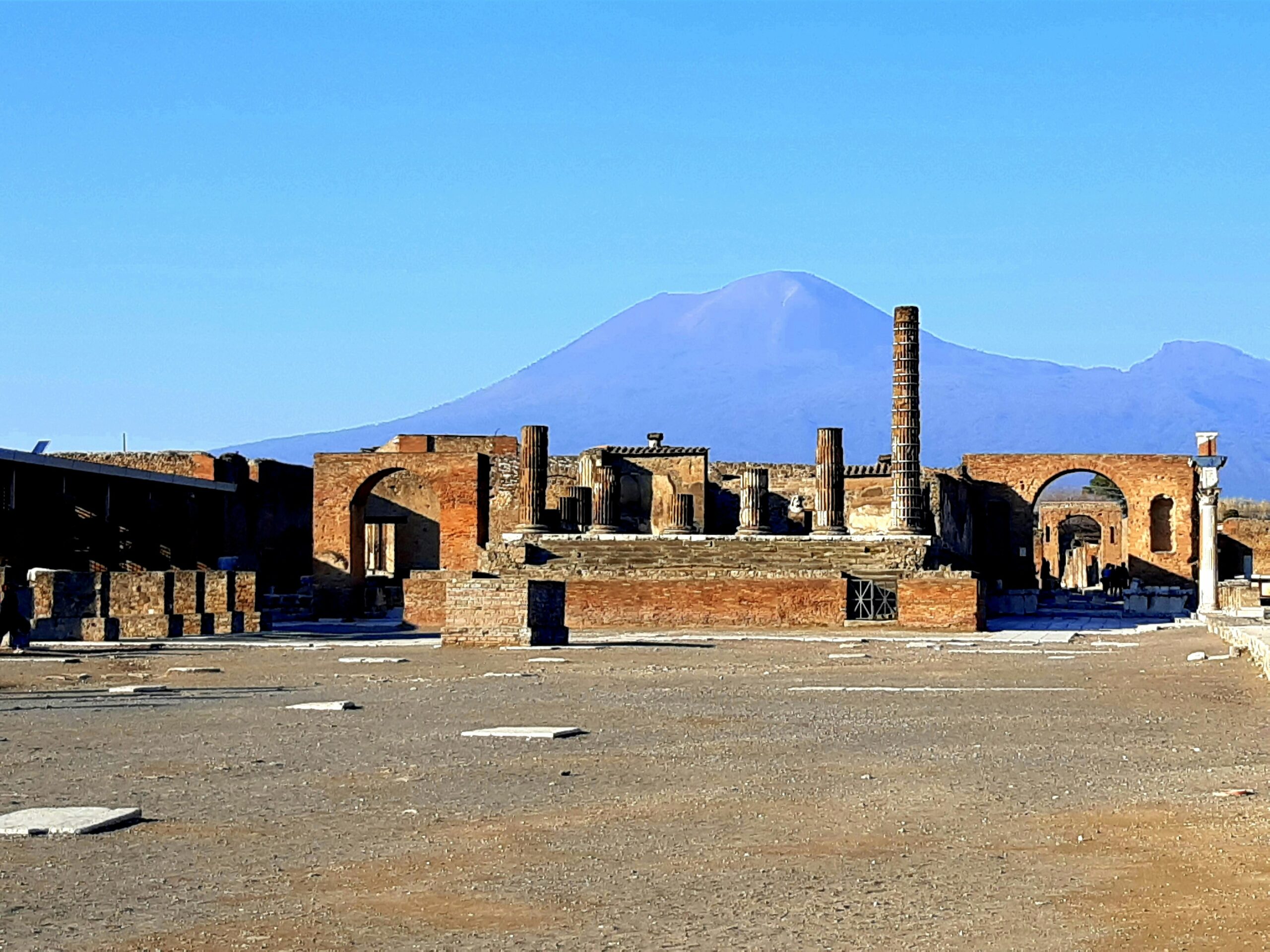
Pompeii is the headline act. It is the name everyone knows, the site that attracts millions of visitors and for good reason. It was a thriving commercial port city with a population of around 11,000 to 15,000 people.
The Scale Is Staggering
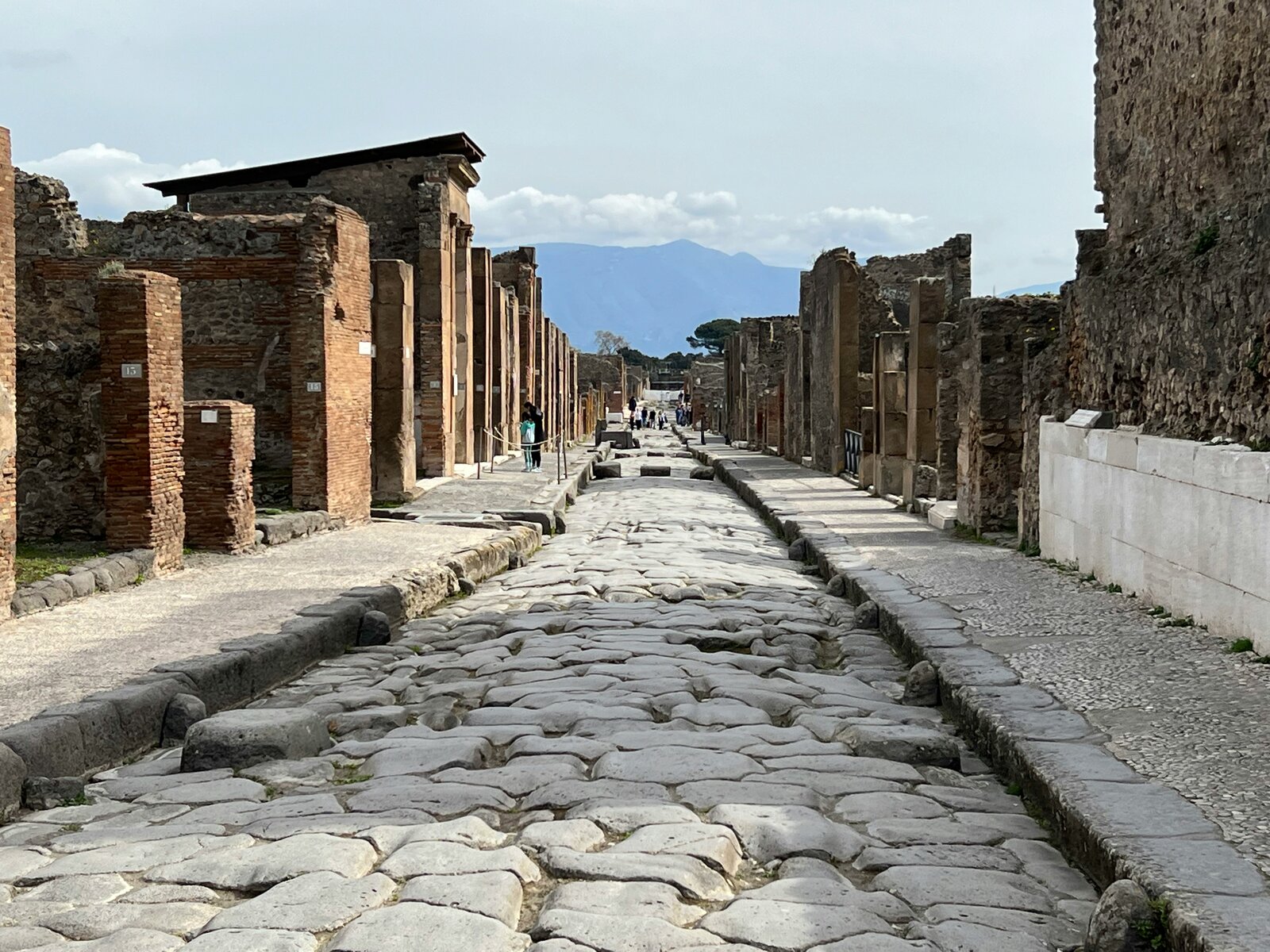
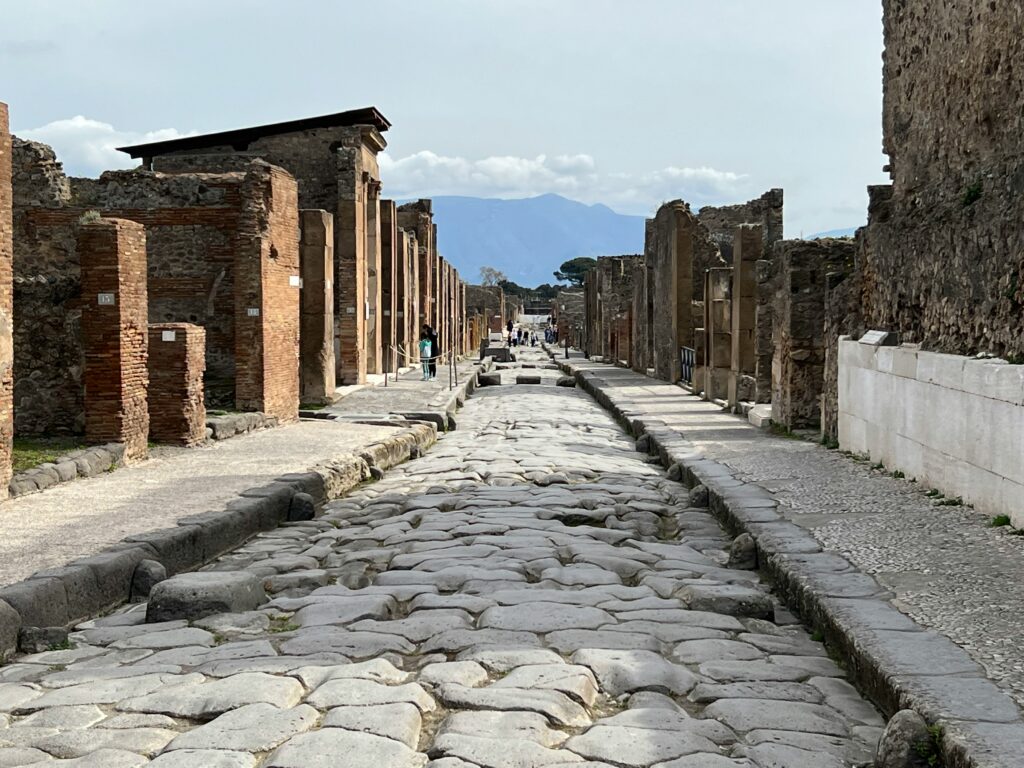
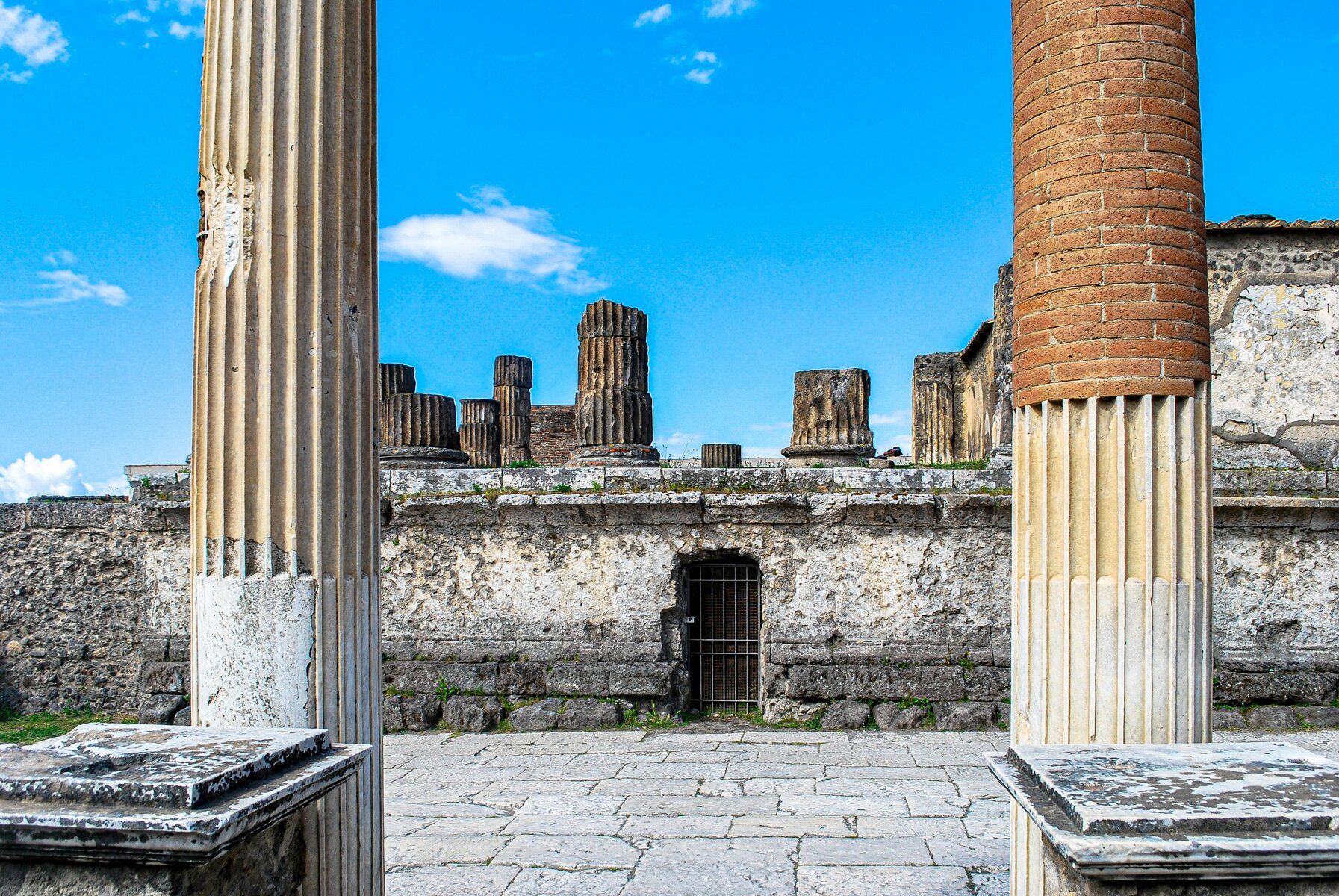
The first thing that you need to know is the is the sheer size of the place. We are talking about 44 hectares of excavated city (and more still buried). You can walk for hours and still only see a fraction of it. You get a true sense of urban planning: the grid system, the stepping stones across the streets (to avoid sewage and water), the fast-food joints (thermopolia), and the grand public spaces.
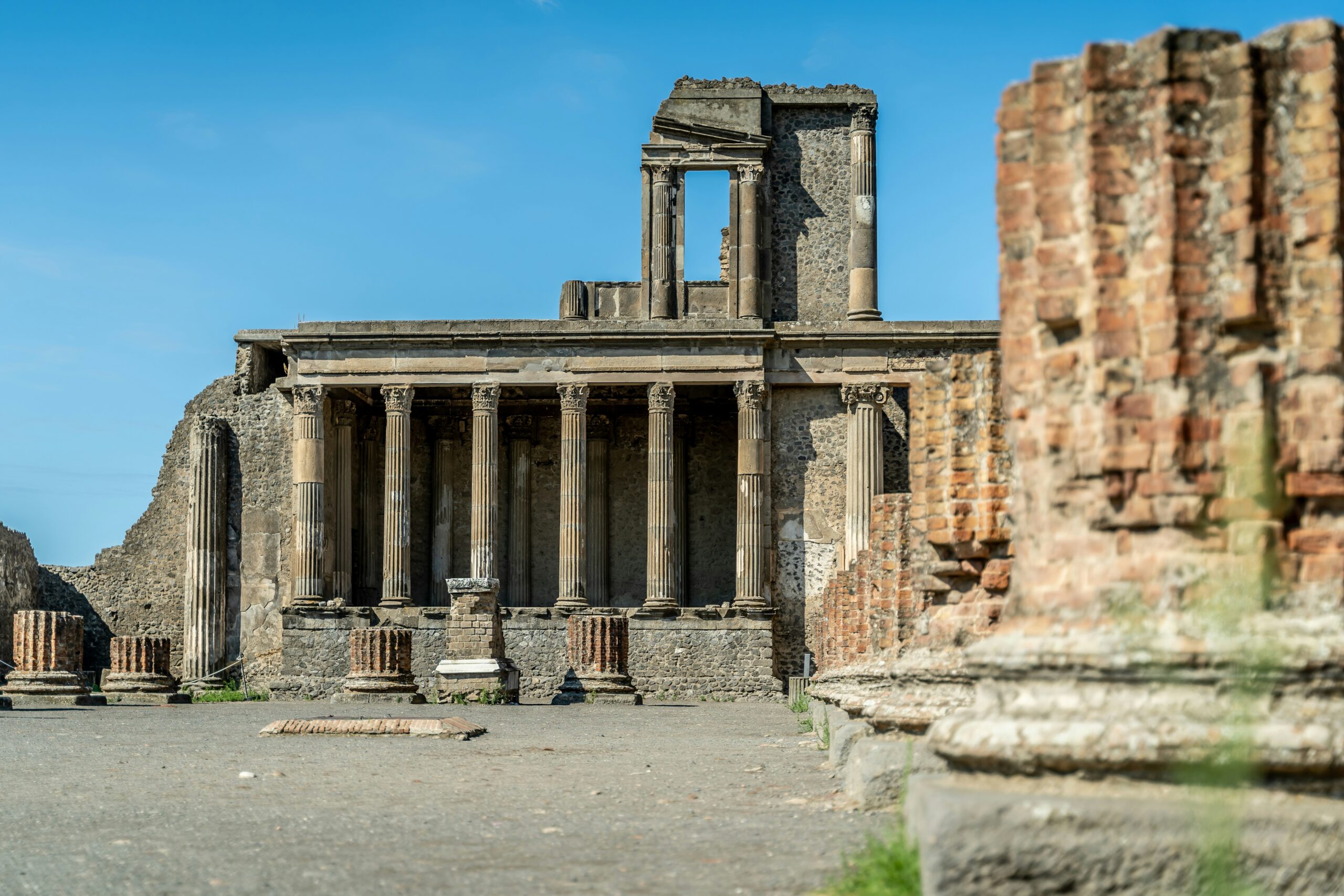
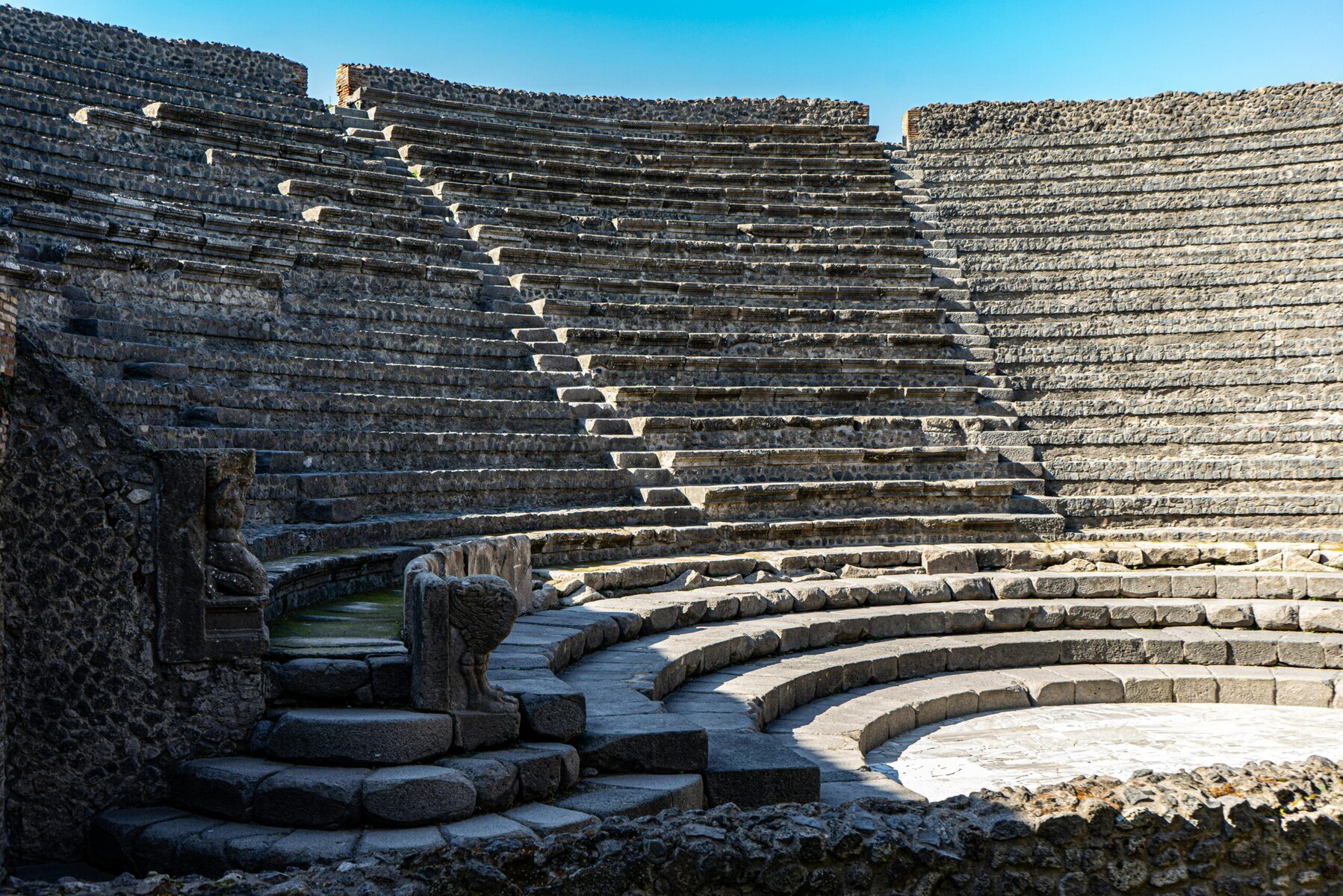
If you want to get a feel of a working Roman city, Pompeii is the place. You can stand in the forum and imagine the political debates, or sit in the amphitheatre and picture the entertainment.
The Highlights of Pompeii
Because of its size, Pompeii holds some “big ticket” attractions:
- The Amphitheatre: The oldest surviving Roman amphitheatre in the world. It is massive and imposing.
- The Villa of Mysteries: Located just outside the city walls, this contains some of the most vibrant and mysterious frescoes in the ancient world, depicting the initiation rites of the Cult of Bacchus.
- The Lupanar (Brothel): Always crowded (😉), but fascinating for its stone beds and frescoes above the doors.
- The Plaster Casts: This is perhaps the most visceral difference. In Pompeii, the ash hardened around the bodies. As the organic matter decayed, it left voids. Archaeologists poured plaster into these voids to create the famous casts of victims in their final moments – curled up and shielding their faces. Seeing them is a profound emotional experience.
Herculaneum: The Wealthy Seaside Town
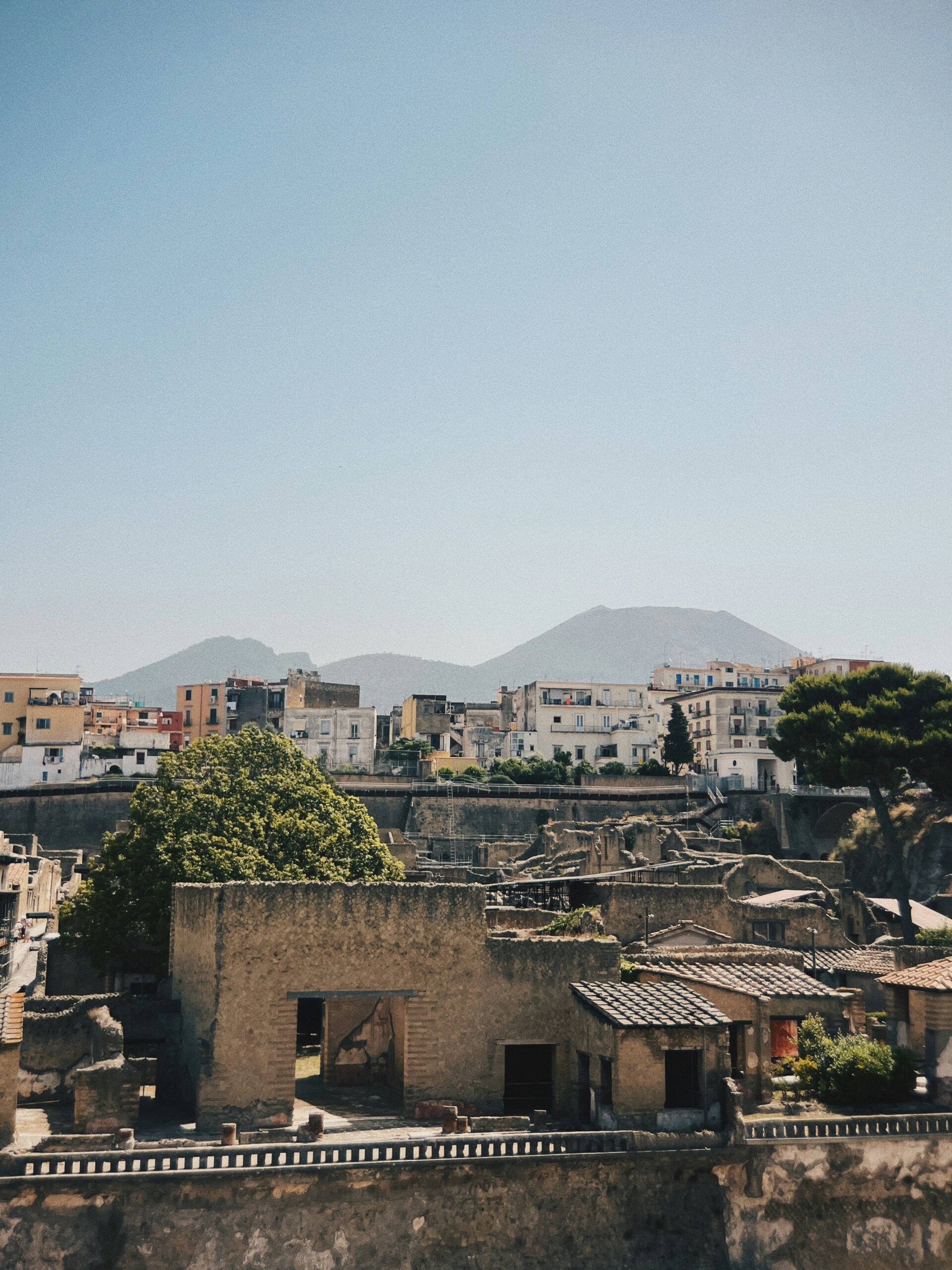
If Pompeii was the bustling commercial hub like modern-day Naples, Herculaneum (Ercolano) was arguably the Malibu or Kensington of the era. It was a seaside resort town for the wealthy elite. It was smaller, richer, and cleaner.
Unmatched Preservation
Remember that pyroclastic surge? Because it filled the buildings from the ground up rather than crushing them from above, Herculaneum is preserved in high definition compared to Pompeii.
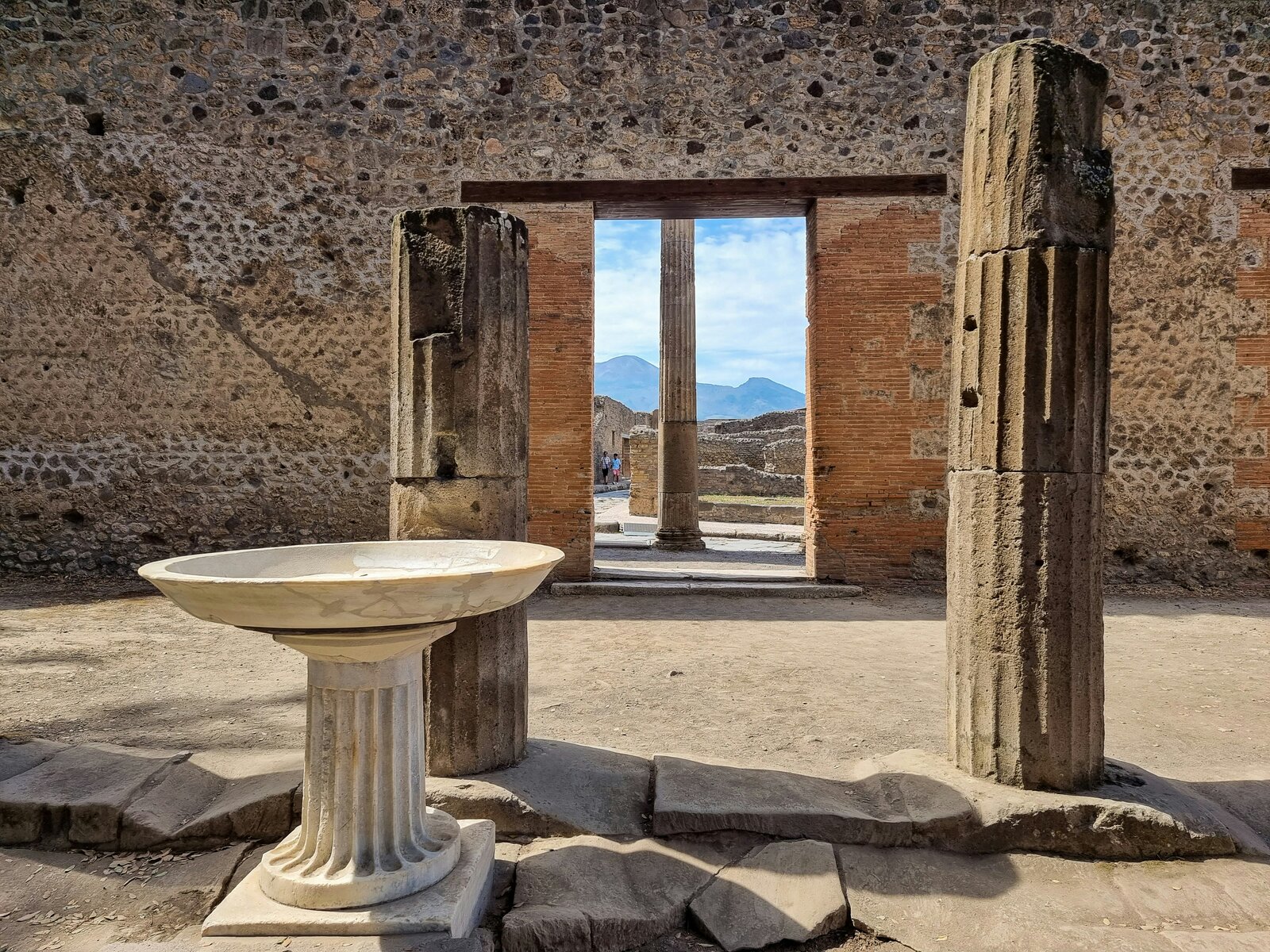
Here, you don’t just see stone walls. You see wood. Carbonised wooden doors, window frames, beds, and even scaffolding are still in place. You can see the upper stories of buildings intact. Here, the frescoes are generally more vibrant, and the mosaics are more intricate. The feeling isn’t of walking through ruins, but more of walking through a town that has just been vacated.
The Highlights of Herculaneum
Herculaneum’s size may be modest compared to Pompeii, but the level of preservation is astounding:
- The House of the Mosaic Atrium: This grand residence is famed for its stunning black-and-white mosaic flooring and intricate designs, exemplifying the opulence of Herculaneum’s elite.
- The Baths: The public baths in Herculaneum are remarkably well-preserved, with intricate frescoes and decorative stucco still visible.
- The Boat Sheds (Fornici): These haunting structures along the ancient shoreline once sheltered those who sought refuge during the eruption.
- Carbonised Wood and Furniture: Unlike Pompeii, the hot pyroclastic surge carbonised organic material in Herculaneum, preserving furniture and objects in incredible detail.
- The Sacellum of the Augustales: This small temple contains vibrant frescoes that depict mythological scenes, providing further insight into the religious practices of the town.
Comparing the Visitor Experience
Now that we have covered the history, let’s look at the logistics.
The Crowd Factor
Pompeii is busy. In the height of summer, it is heaving. Tour groups from cruise ships block the streets, and there are queues to get into the most sites. The sheer volume of people can sometimes break the immersion.
Herculaneum receives a fraction of the visitors. It is more peaceful. You can often find yourself alone in a Roman house, allowing for time to enjoy the spaces at a slower pace. If you don’t get on with crowds and jostling for a photo, Herculaneum wins hands down.
Time Commitment and Stamina
Pompeii is a marathon. To see the main highlights, you need a minimum of four hours, but you could easily spend eight. It can be tiring. The distances between major sites (like the Amphitheatre and the Villa of Mysteries) are significant. If you are travelling with young children or anyone with mobility issues, Pompeii can be a challenge.
Herculaneum is more of a leisurely stroll. You can see the entire site thoroughly in two hours. The site is compact and much more easier to navigate. While it still has uneven Roman roads, the smaller scale makes it far less physically demanding.
Accessibility
Both sites are easily reached via the Circumvesuviana train line that runs between Naples and Sorrento.
- Pompeii: The train station (Pompei Scavi – Villa dei Misteri) is directly opposite the main entrance. You get off the train and you are there.
- Herculaneum: The station (Ercolano Scavi) is about a 10-15 minute walk downhill to the site entrance. It’s not difficult (signposted and follow the crowd scenario) but it is a walk rather than a direct drop-off.
If you prefer driving, reaching both Pompeii and Herculaneum by car is straightforward, though parking availability can vary.
- Pompeii: There are several paid car parks near the main entrance, and also some private lots offering reasonable day rates. The drive from Naples takes approximately 30 minutes, depending on traffic, and routes are well-signposted. Be prepared for some congestion, particularly during peak tourist seasons.
- Herculaneum: Parking options are more limited, with smaller lots available near the site and along nearby streets. The site is around a 20-30 minute drive from Naples, with clear exits marked for Ercolano. Arriving early can help secure a space, especially during busier times of the year.
Renting a car may also provide flexibility, allowing you to explore nearby attractions. However, bear in mind that local roads can be busy and may require confident navigation.
So Which One Is Better – Pompeii Or Herculaneum?
Still on the fence? Let’s break it down by traveller type.
For the Bucket List Traveller: Pompeii
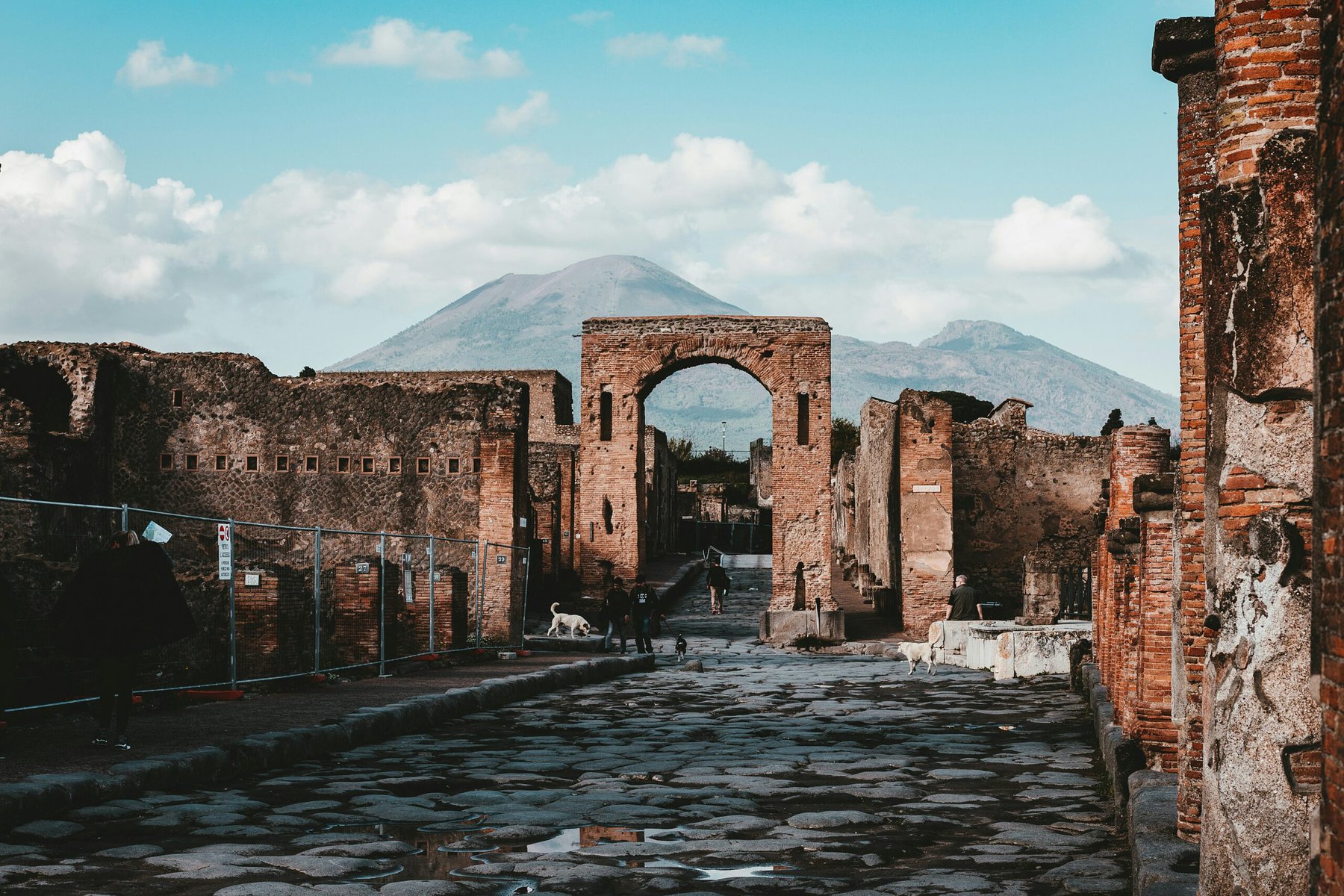
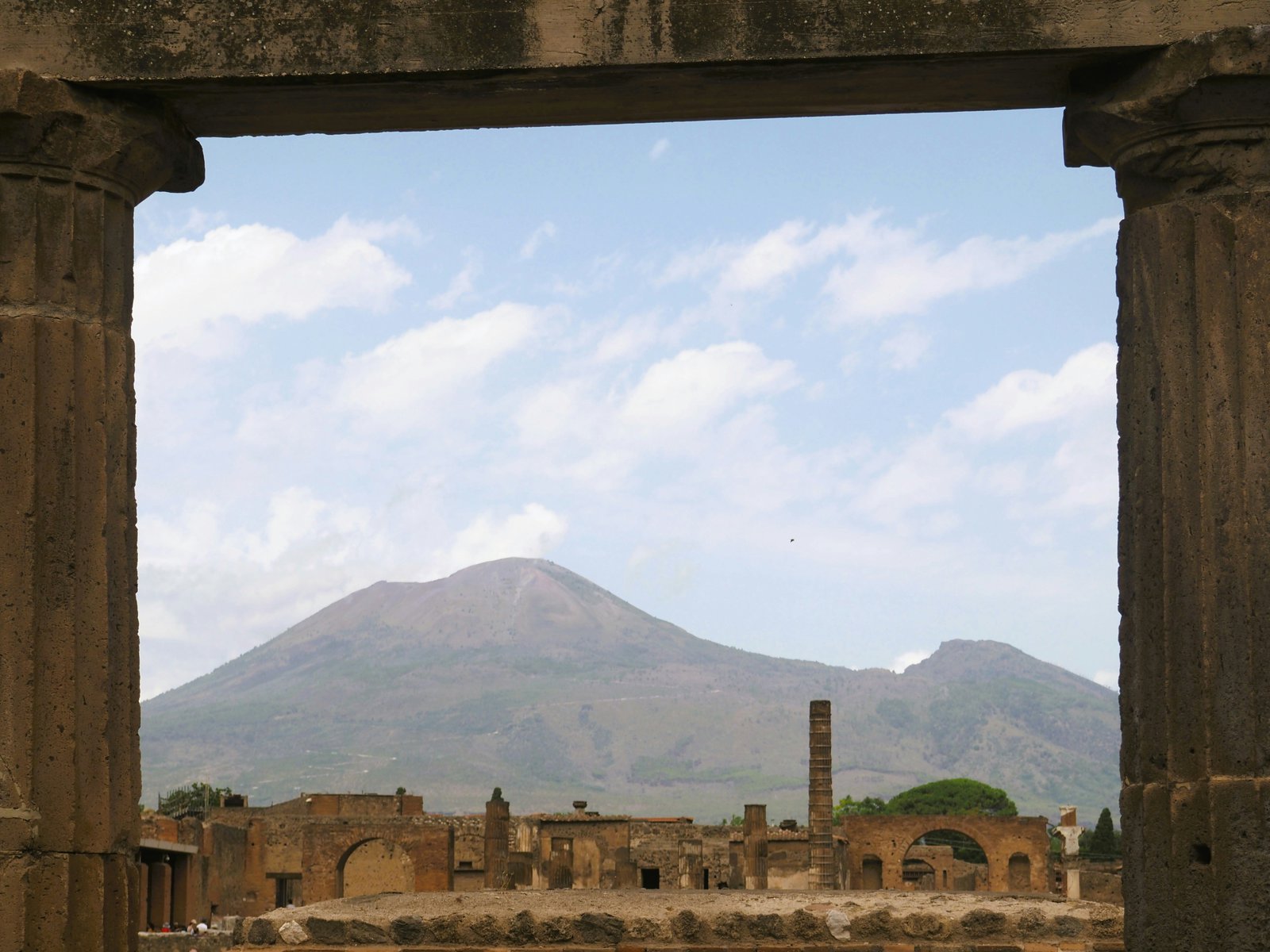
If you want to say you have seen the legend, it has to be Pompeii. It is the icon. The image of Vesuvius looming over the Forum is the one you have seen in textbooks. Everyone knows about Pompeii. The sheer scale delivers the “wow” factor that Herculaneum lacks simply due to its size.
For the Detail Oriented: Herculaneum
If you want to know the real details on Roman life – the way a wooden partition screen separated a shop from a home, or the vivid colours of a dining room fresco – Herculaneum is superior. Plus the preservation of the upper floors gives you a better sense of vertical space in Roman architecture.
For Families with Kids: Herculaneum
Unless your children are keen on history, Pompeii can become “just more rocks” after the second hour of walking. Herculaneum is manageable. It is quick enough to keep their interest without exhausting them, and the preserved skeletons are (grimly) fascinating to older kids.
For Anyone With Mobility Concerns: Herculaneum
If you have any mobility concerns, Herculaneum is the better option. Unlike the sprawling site of Pompeii, Herculaneum is compact and has fewer cobbled streets to navigate. The site also features more intact structures with shaded areas to rest, and its smaller size means less walking overall.
For Summer Visits: Herculaneum
I cannot stress this enough: Pompeii in the summer months is an oven and crowded. There is almost no shade. Herculaneum has more intact buildings, meaning more shade, and its position often catches a sea breeze.
Can You Visit Both Pompeii and Herculaneum In One Day?
Technically, yes. The train line connects them, and they are only about 20 minutes apart by rail. If you buy the “Campania Artecard,” you even get access to both.
If you’re travelling by car, both Pompeii and Herculaneum are close to each other. Located roughly 17 kilometres apart, the drive between the two sites takes about 30 minutes, depending on traffic. Both locations have parking facilities nearby, although they can fill up quickly during peak tourist seasons; so will use up time.
However, I generally advise against this unless you are a history enthusiast. It results in “ruin fatigue.” By the time you get to the second site, your brain stops absorbing the wonder, and your feet will be screaming.
If you still want to do both, I recommend starting with Pompeii early in the morning, get there before it opens (have tickets organised) to get ahead of the crowds. Spend 3-4 hours there, grab a pizza, hop on the train, or back to your car, to Herculaneum, and spend the late afternoon there when the light is golden and the site is quiet.
Essential Tips for Visiting Pompeii & Herculaneum
Regardless of which site you choose, there are a few more tips for exploring these archaeological sites:
- Bring a Water Bottle: There are public fountains with drinkable water inside Pompeii (ancient fountains that still work!), but you need a bottle to fill.
- Wear Comfy/Sturdy Shoes: The Romans did not design roads for flip-flops or high heels. The basalt stones are uneven, slippery, and have large gaps. Comfortable shoes or walking boots are essential.
- Hire a Guide or Download an Audio Guide: A pile of stones is just a pile of stones unless you know what it was. Knowing that a specific counter was a wine shop, or that a groove in the road was for carriage wheels, transforms the experience.
- Sun Protection: Even in Herculaneum, you will be outside a lot. A hat, sunglasses and high-factor sunscreen are a must from May to September.
- Food: Pompeii has a number of places to eat by the entrance to the site and a cafeteria inside (but it is overpriced and average). Inside Herculaneum, food options are limited with only a small bar offering drinks and snacks. However, outside there are many options for food and drink.
So To Wrap Up on Pompeii Or Herculaneum – Which One Is Better?…
So, which one is better to visit?
Go to Pompeii if you want the blockbuster experience. If you want to feel the magnitude of the Roman Empire and see the famous sights that have been part of the cultural consciousness for centuries. It is grand, can be exhausting, but so worth it.
Go to Herculaneum if you want a time-machine experience. If you want to see the buildings and colours intact, and the intimate details of daily life with less tourists. It is both beautiful and manageable.
Personally? If I could only visit one again, I would choose Pompeii
For me, Pompeii offers an unparalleled sense of scale and grandeur that truly brings the immense power and influence of the Roman Empire to life. Walking through its vast streets, seeing the towering amphitheatre, and imagining the bustling city that once existed is a deeply moving experience. It’s a place where history’s enormity feels tangible, and every corner tells a story that has shaped our understanding of the ancient world. While it can be busy and overwhelming at times, the chance to stand in such an iconic and historic location is utterly worth it.
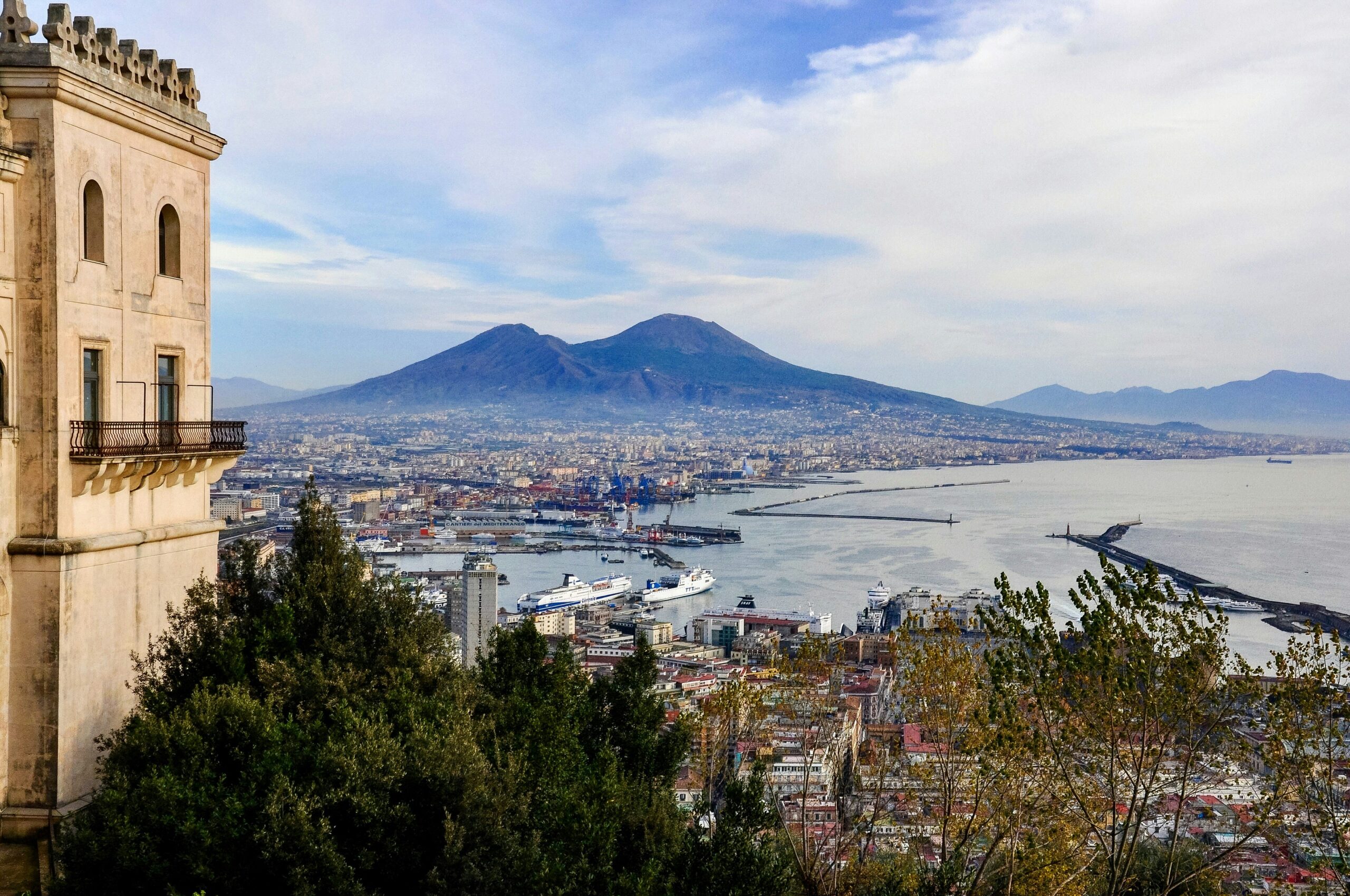
But whichever you choose, you are walking on hallowed ground. Just remember to look up at Vesuvius every now and then – the giant that destroyed it all.
Frequently Asked Questions
How much do tickets cost?
Entrance tickets are around 20 euros (per person), and Herculaneum is slightly cheaper. It is recommended to book online in advance. Also take advantage of buying combination tickets, if you do plan to visit both sites or purchase visitor passes that cover many other attractions in the region.
Which site is better preserved – Pompeii or Herculaneum?
Herculaneum is better preserved. This is due to being buried by mud and pyroclastic surges rather than ash. This meant that organic materials like wood, food, and clothing were preserved better in Herculaneum. You will also see many buildings with their original second stories intact, which is rare in Pompeii.
Is Pompeii and Herculaneum safe to visit?
Yes, the archaeological sites are safe. However, like any major tourist attraction, pickpockets can operate, especially by the busy entrances and train statins. So make sure you keep your valuables secure. Inside the site, the main danger is tripping and slipping on uneven stones!
How far is Pompeii from Herculaneum?
They are very close; 17 kilometres apart. It takes about 15-20 minutes on the Circumvesuviana train to get from the Ercolano Scavi station to the Pompei Scavi station.
Can you use drones at Pompeii and Herculaneum?
No, drones are not permitted. These archaeological sites are protected by UNESCO, and strict regulations are in place. If you’re hoping to capture aerial footage, you’ll need to get special approval from authorities.
Are there guided tours available at Pompeii and Herculaneum?
Absolutely. Guided tours are one of the best ways to explore the rich history and hidden stories of Pompeii. Expert guides can offer fascinating insights that you might miss on your own. Alternatively, audio guides and map apps are also available if you prefer a self-paced experience.
When is the best time to visit Pompeii?
The best time to visit Pompeii is in the early morning or late afternoon, especially during the spring (April to early June) or autumn (September to October). These periods offer mild weather and smaller crowds. Avoiding the midday summer heat can make your visit much more enjoyable.
How long should I plan to spend at Pompeii or Herculaneum?
Spend at least four hours exploring Pompeii. If you’re a history enthusiast, you may want to allocate more time to fully absorb the site’s incredible details. Two hours is time is enough for Herculaneum.
Are there accessible routes for visitors with mobility issues?
Generally, Herculaneum is considered much easier to navigate for anyone with mobility issues or concerns. Parts of Pompeii have been made more accessible for wheelchairs which includes ramps and paths to some of the main attractions.
Can you eat inside Pompeii and Herculaneum?
In general you can take food inside both Pompeii and Herculaneum, however you can only eat in the designated picnic/cafe areas. So, the recommendation is not to take any food but just stick to taking water bottles to keep you hydrated.
For some more great travel hacks, head to our dedicated Travel Hacks page.